218 | A Practical Guide to Food Safety Consultants |
Plus food fraud case studies, lawsuits coming for big food and a new free food fraud database

This is The Rotten Apple, an inside view on food fraud and food safety for professionals, policy-makers and purveyors. Subscribe for insights, latest news and emerging trends straight to your inbox each Monday.
10 food fraud case studies
Food safety consultants - a practical guide
Food safety news and resources roundup
UPF lawsuits (a food safety professional’s perspective)
Food fraud news and recent incidents
Hello,
Welcome to Issue 218, and a huge shoutout to 👏👏 Silvia from Germany, Per Martin from Norway and Kimberly B 👏👏 for becoming paid subscribers. Your support means so much, thank you.
This week we explore the process of selecting and hiring a food safety consultant, discuss whether UPFs are something we should worry about and discover a collection of 10 food fraud case studies.
And in this week’s food fraud news: a new free database is launched, and the UK’s National Food Crime Unit publishes its annual update.
Enjoy!
Karen
P.S. Know someone who would like this newsletter? Please tell them about it and help grow our global food safety community.
Food Fraud Case Studies
There’s so much food fraud knowledge stashed away in my brain. And buried in the thousands of pages of past issues of The Rotten Apple.
It would be a shame to leave them tucked away. So I’ve just published a collection of ten food fraud case studies, carefully extracted from past issues of The Rotten Apple. Use them to broaden your knowledge and create compelling training materials.
Don’t miss out: click through and see what knowledge you can grab today.
10 Food Fraud Case Studies and Incidents

This collection features real-world examples of food fraud incidents and case studies. Use the insights from these cases to strengthen your professional practice and inform the development of your training materials.
A Practical Guide to Choosing a Food Safety Consultant
Tips, questions and directories to help you identify qualified food safety consultants who can support your business to make safer food and achieve certification.
Why engage a food safety consultant?
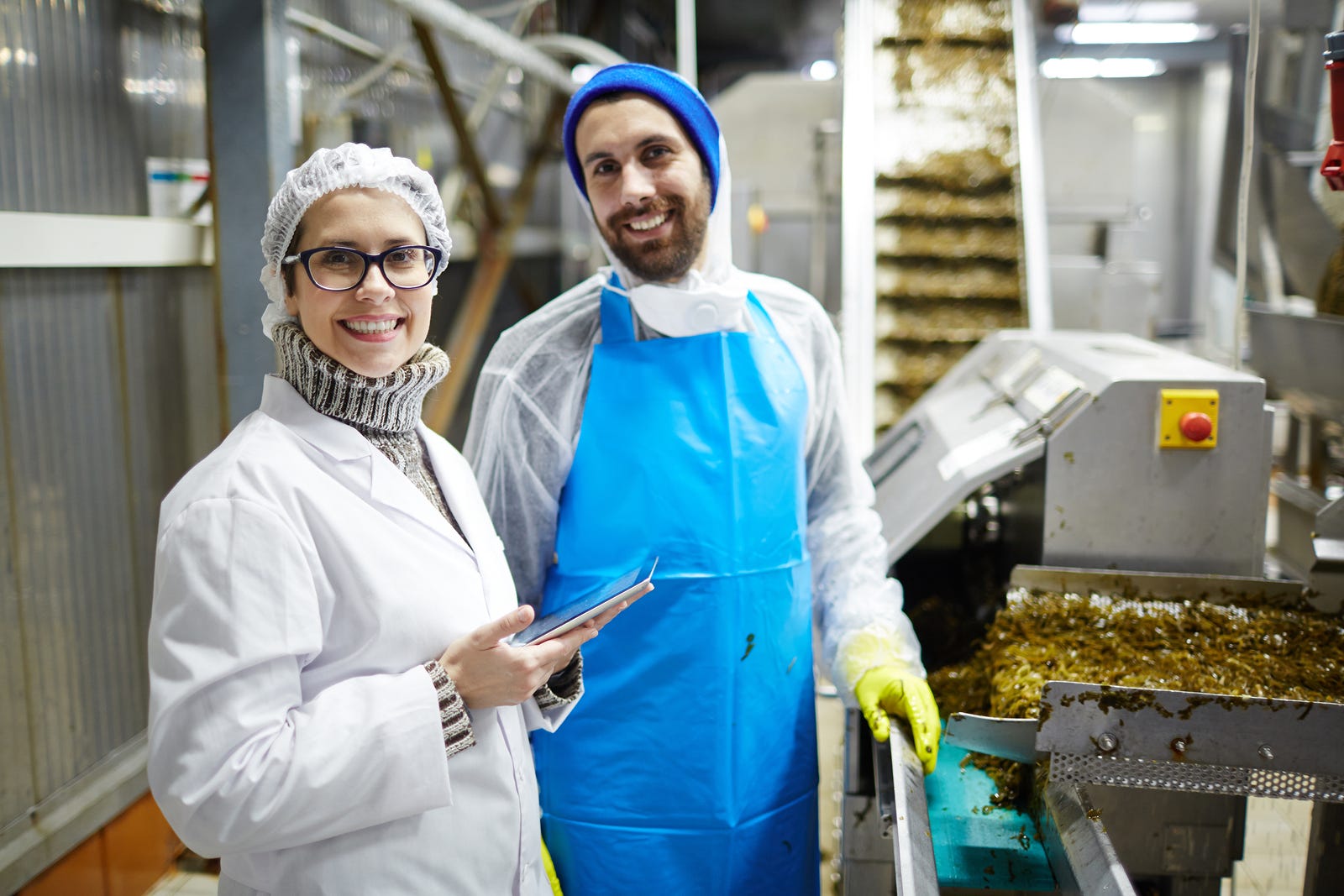
Food safety consultants are experienced, qualified professionals who help businesses by
Developing and maintaining HACCP-based food safety programs and quality systems
Identifying gaps and risks through internal audits and site assessments,
Proposing and implementing corrective actions to maintain compliance with regulations and standards
Training staff and supervisors so that food safety procedures are understood and followed every day
Preparing businesses for regulatory inspections, supplier audits and certification audits
Challenge testing and stress testing systems – for example, food defence challenge tests and mock recalls
Assisting in recalls and with crisis management and
Advising on labelling, documentation control and supplier management for brand protection and consumer safety.
Engaging a consultant can reduce the risk of costly recalls, fines and damage to your brand by implementing robust preventive controls and audit-ready documentation.
What can a consultant do for you?
Some of the core activities a food safety consultant can help with include:
Assessing your current operations for hazards and weak points using tools like HACCP risk assessment, site inspections and documentation reviews.
Translating complex regulations (e.g. FDA/USDA, FSA, FSANZ, HACCP, GFSI, ISO) into clear, business-specific requirements and action plans.
Designing or updating food safety programs, SOPs and policies that fit the site’s products, processes and people.
Preparing the business for regulatory or third-party audits through gap assessments, mock audits and corrective action planning, and
Customised training sessions and practical tools to help your staff follow safe practices every day.
What type of consultants are out there?
There are many types of food consultants, including food safety, food product development, food regulatory specialists, sanitation specialists and training specialists. Some food safety consultants have broad expertise across many areas, others do not.
Regulatory Compliance Consultants. These consultants have a legal focus and assist businesses to navigate and comply with food safety laws and standards for local and export markets.
HACCP Consultants. These are specialists who develop, implement and verify HACCP-based food safety protocols for regulatory or certification scheme compliance.
Quality Improvement and Change Management Consultants. These consultants may have less technical expertise in food but can assist with operational efficiencies, quality systems, cost savings and project management.
Sanitation Specialists. These consultants often work on behalf of chemical suppliers and cleaning contractors, specialising in efficient and effective cleaning and sanitation practices, environmental monitoring programs and cleaning verification processes.
Crisis Management Consultants. These consultants assist businesses during food safety incidents such as recalls or contamination events, helping with root-cause analyses, communications and corrective actions.
Tips for choosing a consultant
Not all consultants are alike. Choosing the right consultant for your business is critical. Here’s a list of things to consider that can help you work out if a consultant is the right fit for your business.
Firstly, work out your needs.
Are you designing new systems or just checking that your current systems are okay? System design requires deep expertise and often longer engagements, whereas system checks might be shorter and focused on reviewing documentation and practices.
Do you need boots on the ground, or can the project be managed remotely? Some consultants offer remote audits and virtual training, which may save cost but can be less effective than onsite activities.
Do you need the consultant for a one-off project, such as designing and commissioning a new product line, or will you need them on an ongoing basis?
What tasks will the consultant be responsible for? Responsibilities might include risk assessments, SOP development, staff training, mock audits, or regulatory liaison. If you’re not exactly sure of what you need, talk through the intended scope of work with a new consultant before engaging them – they may see gaps you have missed.
How will you evaluate the success and effectiveness of the consultant’s work? Establish clear, measurable goals such as improved audit scores, reduced customer complaints, fewer near misses, or improved scores in food safety culture surveys.
Once you have clearly defined your project needs, the next step is selecting a consultant who can best meet those needs. Consider:
Do they have the necessary credentials to do the job? Think qualifications, training, certifications and specialist or technical knowledge.
Do they have relevant experience? Ideally, they should have experience working with the type of food your business handles. Are they experienced with the food safety standard(s) your company operates, and/or regulations in the markets your business exports to, if relevant?
Different consultants bring different strengths and approaches, so consider whether their work style will be a good fit for your organisation.
Do they have the appropriate language skills for communicating with your front-line workers, if necessary?
Finally:
Have an introductory meeting (ideally on-site) with any potential consultant before engaging them for a large project or ongoing work.
Ensure you perform a background check, obtain references, check online reviews and verify the quality of work with past clients or employers before hiring any consultant.
What should you expect to pay?
Engaging a food safety consultant is an investment in your business’s compliance and the safety of your consumers. Pricing will vary depending on the consultant’s expertise, location and the scope of work required.
Some consultants will provide pricing on a project or outcome basis – such as a fixed price for audit preparation – while others charge an hourly rate. Expect to pay between US$50 and US$300 per hour, depending on your country and region.
You may also have to pay travel and accommodation costs for your consultant when they attend your site – be sure to understand these costs before engaging any consultant.
How to find a consultant
Some food safety organisations maintain searchable databases or member directories where you can find consultants with verified credentials and relevant experience. These include:
Safe Quality Food Institute (SQFI) lists consultants certified to provide SQF food safety certification services internationally.
https://www.sqfi.com/directories/auditor-technical-reviewers-directory
Institute of Food Technologists (IFT) membership directory connects you with food safety professionals, including consultants globally.
International Association for Food Protection (IAFP) is a global professional association with members who include food safety consultants and experts from around the world.
Food Safety Select provides a list of auditors and consultants based in Australia.
Additionally, food industry associations or local business groups can sometimes connect you with reputable professionals. And of course, a careful LinkedIn or Google search can also help match you with experts in food safety in your area.
Key takeaways
Food safety consultants are an effective way to fill knowledge gaps and deliver projects without having to divert current employees from their main tasks or engage new employees. They can minimise the risk of costly recalls and protect consumers and your brand by implementing robust preventive controls and audit-ready documentation.
Not all food safety consultants or projects are created equal, so take time to define what you need from a consultant, and check the consultant’s past work, experience and client references before engaging them.
Roundup: Food Safety News
Our food safety news and resources roundups are expertly curated (by me 😎), to include only the most interesting and valuable news, guidance and webinars from around the world: no fluff, no filler, no junk, only information I believe will be genuinely useful.
This week: bad news about FDA inspections, good news about the incidence of peanut allergies, a free guidance book for foreign body management and two ultra helpful hand-picked webinars, selected just for you… Click the preview box below to view.
Food Safety News and Resources | December

🚢 Imported foods subject to fewer inspections (USA)
🥜 Peanut allergies decreasing (USA)
📖 Guideline for effective Foreign Body Management (IFS Food)
🎓Webinar - How to Develop and Implement an Effective and Food Defense Strategy, 11th December
🎓Webinar - Everybody Makes Mistakes - But Should Public Health Pay the Price?, 19th December
UPF lawsuits: a food safety professional’s perspective
In the United States (where else?!), a second high-profile lawsuit against food manufacturers over the safety of ultraprocessed foods (UPFs) has hit the headlines.
The first high-profile action was launched in 2024, and followed the publishing of groundbreaking evidence of the harms caused specifically by UPFs.
Notably, the evidence compared outcomes for patient groups who were presented with non-UPF and UPF diets that were matched for calories, fat, carbs, sugar, sodium, fibre and glycemic load. (Spoiler alert: the patient outcomes were measurably worse on the UPF diet). I wrote about this in Issue 169.
Now, the city of San Fransico has filed a lawsuit against food manufacturers over UPFs, becoming the first US government body to do so. It argues that local governments have suffered financially as a result of the disease burden caused by the public’s consumption of UPFs.
Defendants in the lawsuit include the Coca-Cola Company, PepsiCo, Kraft Heinz Company and Mondelez International. Other food manufacturers, including General Mills, Nestlé USA, Kellogg, Mars Incorporated, and ConAgra Brands, are named in the lawsuit.
How is this relevant to food safety professionals?
This isn’t a true food safety problem, is it? Instead, you could call it a nutrition issue, or perhaps a product formulation problem.
Is it even relevant to food safety professionals at all?
Well no… Sort of no. Certainly, if we were to wind the clock back five years, we could comfortably say that the disease burden from overconsumption of any foods – UPF or otherwise – was absolutely not within the domain of food safety professionals. After all, our job is to prevent acute risks like foodborne illnesses, chemical intoxications and injuries from physical hazards in foods.
But times are changing and popular opinion, fueled by the Make America Healthy Again (MAHA) movement in the United States, is turning against “big food”.
Technical personnel are not immune from scrutiny. Quality assurance and food safety professionals have faced questions over the decisions they have made in legal cases where consumers have been harmed.
Examples include the jailing of the Quality Assurance Manager of the Peanut Corporation of America over her role in the deadly Salmonella outbreak that sickened hundreds. And more recently, the actions of personnel from the retailer that sold cookies that killed an allergic consumer due to the presence of undeclared peanuts were examined in a wrongful death lawsuit in Connecticut.
Will food safety professionals be called before the courts over the safety of UPFs?
You and I know that food safety professionals have zero influence over a food business’s willingness to manufacture or market UPFs. We can stop a container load of Salmonella-contaminated peanut butter candies from being shipped, but we can’t tell the candy company that it shouldn’t be in the business of making ultra-processed foods in the first place.
But the lawyers don’t know that.
Could a UPF-related lawsuit affect food safety professionals who oversaw the making of UPFs? It’s possible. After all, lawyers will do anything they can to prove a case, including perhaps alleging that food safety experts should have been aware of the dangers of the food being made under their supervision.
It’s unlikely. But not impossible.
The main thing, for now, I think, is for us to be aware of what’s going on, with regard to the evidence about UPF safety, and the creation of legal precedents. This issue is not going away any time soon.
And perhaps it’s time to check our employment contracts. Does yours define the types of risks a food safety manager is supposed to be responsible for? Does it define what ‘safe’ food* is anyway? I bet it doesn’t.
A few final things to note
The state of California has recently enacted a legal definition of UPFs, the first state in the US to do so.
The Guardian Newspaper, commenting on the lawsuit, expects it to be taken seriously by judges, with a chance of success for the plaintiff, reminding readers “The [San Fransico] city attorney’s office has a track record of winning against big corporations on public health matters, including tobacco companies, lead paint manufacturers and opioid manufacturers, distributors and dispensers.”
🍏
Main source:
Campbell, L. (2025). San Francisco sues food giants over ultra-processed products. [online] the Guardian. Available at: https://www.theguardian.com/society/2025/dec/02/ultra-processed-foods-lawsuit-san-francisco.
🍏
*It’s surprisingly difficult to find an official global definition of “safe food” – this video by the World Health Organisation is the most “official” explicit definition I could find.
Below for paying subscribers: Food fraud news and incident reports
📌 Food Fraud News 📌
In this week’s food fraud news:
📌 A new free database
📌 Update from the (UK) National Food Crime Unit
📌 Method: rapid non-destructive authentication using VADCI-MS
📌 Incidents with rice and eggs
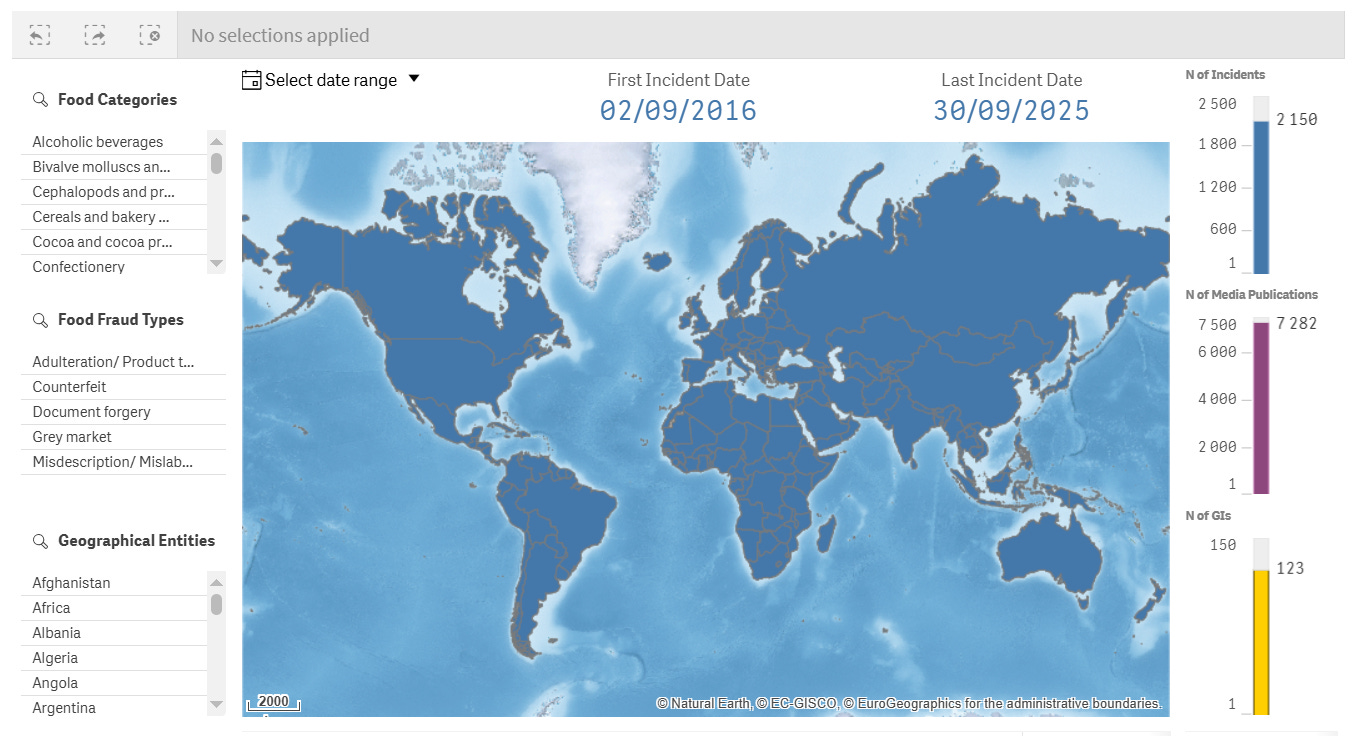
A new (free) food fraud database
A new food fraud database has just been published.
The database is a free and open-access online database of