

This is The Rotten Apple, an inside view on food fraud and food safety for professionals, policy-makers and purveyors. Subscribe for insights, latest news and emerging trends straight to your inbox each Monday.
Food safety risks from food fraud (and vice versa)
The Rotten Apple e-Book
Glyphosate update
Venemous lionfish ceviche (it’s a thing?!)
Food fraud news, emerging issues and recent incidents
Food fraud shows up in so many different ways. But when it shows up with clear and significant risk to food safety, I sit up and pay attention. So when I learned that certain unexpected trading patterns could indicate the illegal shipping of unsafe peanuts, I dug deeper.
The result is a story that illustrates how the interactions between weather events, economic pressures, toxin residue limits, ‘porous’ maritime borders and corrupt officials can impact food businesses and consumers. Hope you like it.
Hello and 新年快乐, welcome to the new lunar year.
Also this week, the latest news on glyphosate and a throwback to a previous article about its decidedly unscientific approvals process in the U.S. in the 1970s and 80s. Plus, would you eat ceviche made from the ultra-venomous lionfish?
This week’s food fraud news is massive, including a quick ‘must know’ about the latest tariff news from the U.S., an FAO report on global seafood fraud and a new fraud I haven’t seen before: provenance fraud in fresh dates.
Enjoy your week,
Karen
P.S. Shoutout to 👏👏 Simione 👏👏 for upgrading to a paid subscription and to everyone who’s renewed recently, including Mersiha and Stela from Croatia. Every subscriber makes a difference. Thank you.
Cover image: The fraud triangle, National Whistleblowers Center
Food Fraud ↔ Food Safety: Lessons from the Peanut Supply Chain
In September and October 2025, the second-largest peanut producer in the world, India, had a problem. Its monsoon season peanut crop was affected by unseasonal wet weather during its traditional drying period.
Wet peanuts are susceptible to mould. And mould growth on peanuts leads to aflatoxins.
Reminder: aflatoxins are toxic, carcinogenic chemicals produced by certain moulds that grow on crops like peanuts, maize and tree nuts.
So far, so simple. I’ve just described a classic food safety problem.
But the high levels of aflatoxin in last year’s crop are not just a food safety problem. They’re also the cause of economic problems for the peanut sellers of India and the buyers of peanuts—businesses that use peanuts as ingredients in their products.
Indonesian businesses, in particular, rely on the Indian peanut crop. This is partly because of high demand in the country—peanuts are deeply embedded in Indonesian cuisine—and because the Indonesian food processing industry favours Indian peanuts for their varieties, competitive pricing, and year-round availability.
In September, Indonesia banned peanut imports from India due to aflatoxin concerns, causing supply concerns in the country. The ban has since been partially lifted, but only a small, vetted list of Indian exporters is allowed to supply to Indonesia. Other Indian peanut exporters effectively lost direct access to the Indonesian market.
To further mitigate the food safety risks posed by potentially aflatoxin-affected peanuts, Indonesia has also introduced stricter aflatoxin testing plans, higher testing costs per shipment and additional lab controls, which have discouraged Indian peanut importers.
However, the demand for Indian peanuts has not abated in Indonesia, motivating traders to find a way around the Indonesian rules.
Fraud happens when there is motivation, opportunity and a way for the offender to rationalise the crime or justify their behaviour - for example, “everyone does it” or “the import restrictions are unfair, so it’s okay”.
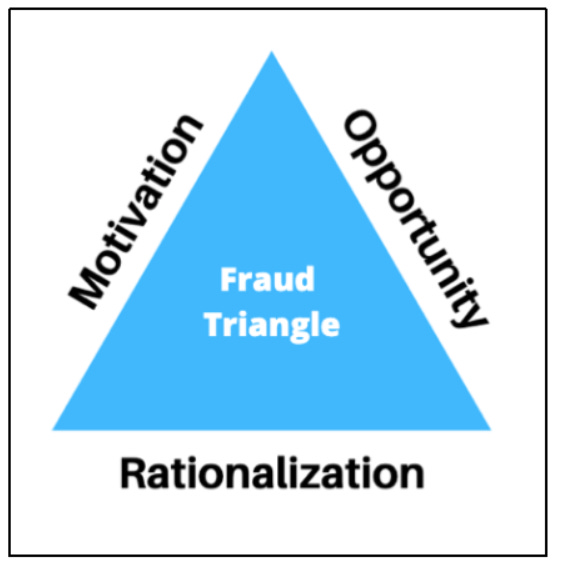
Last month, an anonymous source with expertise in the peanut trade told an Indian news outlet that certain peanut traders were moving potentially aflatoxin-affected peanuts from India into Indonesia without going through lawful channels. That’s food fraud.
The motivation: Indian peanut exporters want to sell peanuts into the lucrative Indonesian market without the risk of having their consignments rejected at the border for aflatoxin contamination.
The opportunity: Indonesia has a large coastline with significant unregulated marine traffic from neighbouring Malaysia, providing a way to get peauts into Indonesia without going through official Indonesian channels. Malaysia has less stringent import restrictions on peanuts than Indonesia.
The rationalisation: I don’t know how food fraud perpetrators rationalise their decisions. But I’m guessing that in many cases, they consider the financial rewards sufficient to outweigh any feeling of wrongdoing.
It’s alleged the illicitly traded peanuts are first shipped to Malaysia as legitimate cargo. They are then transferred to barges and small boats in lots of 20 containers each and taken from Malaysia to small ports in Indonesia, where there are fewer, or no border controls.
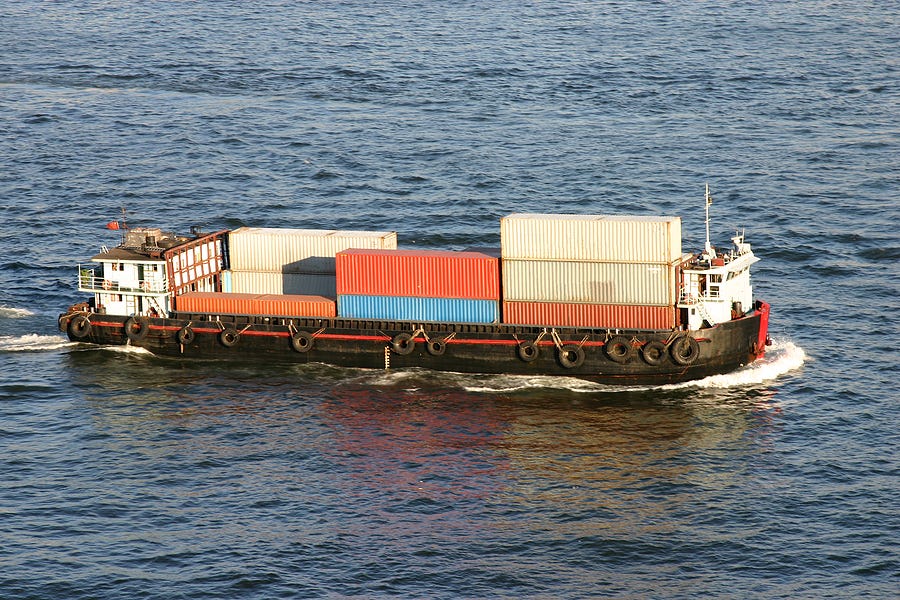
The source said that in November 2025, more than 825 container loads of peanuts from India were exported to Indonesia illegally, compared to 80 containers that were shipped through legitimate channels. The source explained that peanut import figures for Malaysia are more than double historical levels, exceeding Malaysia’s domestic needs, which indicates trade balance irregularities.
When the illicit peanuts arrive in Indonesia, it’s said they either bypass customs altogether or are cleared by corrupt customs officials. They are then transported by road to major cities and food manufacturing centres.
Wholesale peanut prices have reportedly fallen by 9-14% in Indonesia, despite fewer legitimate imports, and this has been attributed to the incoming illicit peanuts.
Takeaways for food professionals
This situation illustrates how food safety non‑compliance (aflatoxin contamination) can be a motivator for food fraud.
Illegal trading amplifies food safety risks, since illegally-traded commodities are often accompanied by forged health certificates or certificates of analyses. For example, an unethical peanut trader may supply a falsified laboratory report showing low levels of aflatoxin in their wares so they can sell them to legitimate food businesses.
Food fraud red flags for this scenario included the unexpected jump in import volumes of Indian peanuts in Malaysia. When combined with a sudden tightening of import rules in neighbouring Indonesia, trade experts were able to infer illicit trading patterns. Another red flag was a price drop in Indonesia, despite tighter import restrictions and fewer legitimate imports.
Main source:
Subramani Ra Mancombu (2026). Indian peanut shipments entering Indonesia illegally, says trade. [online] BusinessLine. Available at: https://www.thehindubusinessline.com/economy/agri-business/more-illegal-indian-peanut-shipments-entering-indonesia-says-trade/article70502588.ece.
The Rotten Apple e-Book
We’ve just published the latest e-book version of this publication.
It covers Issues 201 to 225 and includes top articles like Radioactive shrimp (the story behind the recalls); The flesh-eating bacterium that causes deadly foodborne illnesses; Disgusting food fraud trend: waste diversion; Pasta disaster: Case study of a food safety train wreck; “I nearly lost him”… This is the face of a food safety failure; and How to Deep Fry a Christmas Turkey.
Grab your copy today by clicking the preview box below (paying subscribers). Bonus: they’re searchable and link-click-able.
The Rotten Apple E-books

If you love to read offline or want to catch up on past issues, you’ll love our downloadable e-books.
Glyphosate: Killer or Miracle Chem?
I remember spraying Roundup—the brand name for the chemical glyphosate—on my friend’s farm as a teenager in 1985. We sprayed it from tanks worn as backpacks, from long metal wands with plastic trigger handles. We sprayed it in sheep paddocks and cow pastures, along fence lines, building perimeters and road verges to kill weeds. We sprayed it around like water.
We thought it was safe. Everyone did.
Advertisements claimed that Roundup, a herbicide with the active ingredient glyphosate, was safer than table salt.
My friend’s parents, and all their neighbours, bought it by the tanker load. They would have been surprised to learn that just one year before, in 1984, scientists at the US EPA had flagged glyphosate’s ability to cause cancer.
I wrote those words in 2023, in an article about glyphosate that appeared in Issue 78.
At the time, an influential report published by U.S. Right to Know, a non-profit investigative research group, was gaining attention for its presentation of credible evidence that Monsanto, the creator of glyphosate, had misrepresented its dangers and deployed questionable tactics to defend its safety and attack the scientists who raised cancer concerns.
The report was published soon after a U.S. Court of Appeals had ruled that the Environmental Protection Agency’s approval of glyphosate was unlawful because its human‑health assessment was not supported by substantial evidence and failed to follow its own cancer‑risk guidelines. The EPA took no immediate action in the wake of the ruling. Today, it says it “is currently updating its evaluation of the carcinogenic potential of glyphosate…”
Glyphosate and its uncertain safety status is relevant to food safety because it is not just a weed killer. In many countries, glyphosate is now allowed to be sprayed directly onto food crops like wheat, oat and beans just before harvest to kill the leafy parts of the crop and allow for easy harvesting of its seeds. Some of that herbicide ends up on our plates and in our bodies.
In 2020, 100 percent of Americans contained detectable levels of glyphosate.
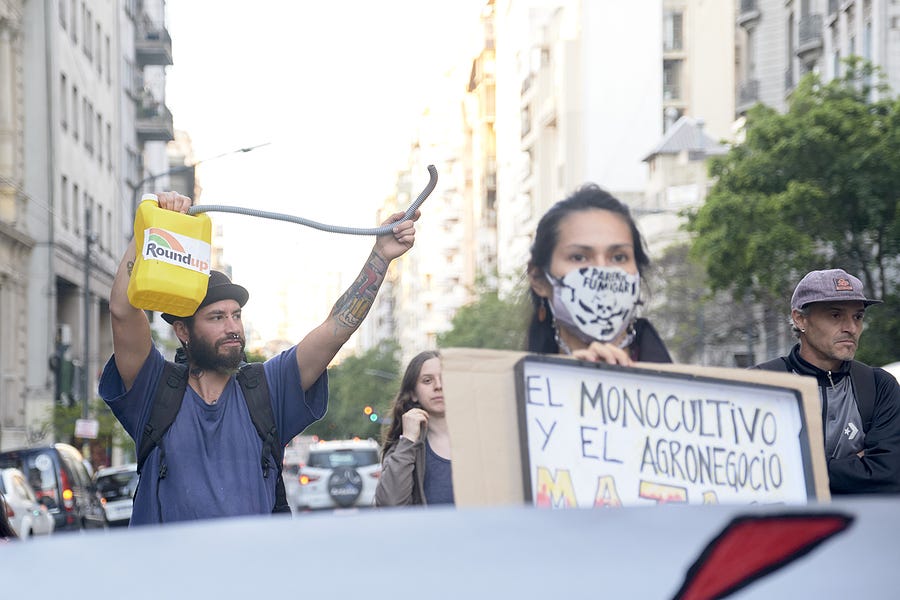
I’m revisiting this issue now because 3 things have happened with glyphosate and its safety recently.
But before we get to that, it’s worth noting that global use of glyphosate on food crops has continued to increase. In the United States, usage increased 15-fold between 1990 and 2014 and has continued to rise since. In 2021, nearly 150,000 tons of glyphosate were sprayed onto American crops, equivalent to one pound of glyphosate per person per year.
Safe to say that if it is causing chronic health problems through its presence in our food supply chain, those problems are only going to get worse.
Here’s what’s happened recently.
A big payout for victims
Last week, Bayer, which purchased Monsanto, the maker of glyphosate in 2018, agreed to a proposed $7.25 billion U.S. court settlement to resolve lawsuits brought by people who say they were harmed by glyphosate. The payout is one of the largest product‑liability settlements in U.S. history.
A retraction
A notorious article that formed the cornerstone of efforts to prove glyphosate safe during the early 2000s, and which was revealed to have been ghostwritten by Monsanto in 2017, has finally been retracted by the Journal Regulatory Toxicology and Pharmacology.
Trump’s endorsement
Also last week, U.S. President Donald Trump passed an executive order that invoked the Defense Production Act to ensure “an adequate supply of elemental phosphorous and glyphosate-based herbicides” in the U.S. This defacto endorsement of glyphosate pleased the agriculture lobbyists but did not please Make America Healthy Again (MAHA) supporters who were shocked and outraged by the adminstrations’s apparent about-face on the issue.
Glyphosate has become a critical input for big food crop production, with usage so widespread that it is considered “too big to fail”. I’m very concerned about its direct application to food crops such as wheat and oats just prior to harvest but I have struggled to successfully differentiate reliable scientific evidence from the widespread misinformation allegedly distributed by Monsanto and Bayer.
Perhaps we should leave the final words to U.S. Department of Health and Human Services Secretary Robert F. Kennedy Jr.. He told a podcast host last week “… right now if you banned glyphosate outright it would put out of business 80 percent of our farmers.”
The podcast host replied: “Wow, so we’re kind of dependent upon something that we know makes us sick.”
“Yeah,” Kennedy said. “We are.”
More: Learn how Monsanto convinced the EPA that glyphosate was safe in the 1980s, with just one deeply flawed study, and despite a formal complaint by the EPA’s own scientists here: How to Prove a Herbicide is Safe | Issue 78
Ceviche from venomous lionfish (say what now?)
Lionfish: spiny, scary-looking, but beautiful and an ecological nightmare as an introduced species on certain coral reefs.
So in Bermuda, they’ve decided to eat them. Here’s a chef preparing lionfish ceviche. Apparently, it tastes great!
Below for paying subscribers: Food fraud news, horizon scanning and incident reports
📌 Food Fraud News 📌
In this week’s food fraud news:
📌 Latest tariffs news (what it means for food fraud)
📌 Global seafood fraud report
📌 Method for tea authentication
📌 Incidents with candy, dates, U.S. meat products, olive oil, sugar and more.
🔹Food fraud incidents from iComplai’s AI-powered food safety and food fraud intelligence platform🔹
🔹Fake PEZ candies - pink tablets marked with the word PEZ - which contain the illicit drug etizolam, a benzodiazepine, have been circulating in the city of Montreal, with authorities warning of the potential for deadly overdoses – Canada 20/02/2026 🔹
🔹Fresh dates grown in boycott regions, including within the occupied West Bank in the Middle East, are being mislabelled with false countries of origin, allege consumer watchdogs and investigative journalists. The dates arrive in European markets after being transhipped through intermediary countries – Europe 19/02/2026 🔹
🔹Counterfeit USDA stamps were used on meat products that had not been inspected by the USDA, and two people have been charged with offences related to forgery and deceptive business practices. The counterfeit stamps came to the attention of authorities in July 2025, who discovered they were affixed to meat that had not been inspected. The accused allegedly produced their own counterfeit inspection marks using equipment that was hidden at a site connected with the accused – United States of America 18/02/2026 🔹