
234 | 6 Crime Papers Unpacked |
Introducing the pathogen files: Bacillus cereus

This is The Rotten Apple, an inside view on food fraud and food safety for professionals, policy-makers and purveyors. Subscribe for insights, latest news and emerging trends straight to your inbox each Monday.
6 Food Fraud Criminology Studies Unpacked (with actionable takeaways for food professionals)
Bacillus cereus 101
Food safety news and resources
The curious case of the Ant Powder God
Food fraud news, emerging issues and recent incidents
Food fraud and its prevention are often considered supply chain management problems.
However, the psychological and other criminological aspects of food crime, often overlooked by the food industry, are studied by criminologists. Their research can provide food professionals with perspectives that improve our understanding of drivers of food fraud, allowing us to build more robust mitigation strategies.
In this month’s special supplement for paying subscribers, I unpack six articles that explore the criminology aspects of food fraud and translate them into actionable insights for food professionals.
Also this week, I’m delighted to introduce the first part of my new series, The Pathogen Files, featuring Bacillus cereus. And I share the crazy food fraud story of the Ant Powder God.
Plus, as always, you’ll find food fraud news at the end, for my wonderful paying subscribers.
Enjoy!
Karen
6 Crime Papers Unpacked
In this month’s special supplement, I unpack six articles that appeared in a special food crime edition of the European Journal of Criminal Policy and Research that explore the criminological aspects of food crime, including the motivations of crime actors, their activities and opportunity-reduction strategies.
My aim: to save you time by getting to the heart (and guts) of each article in a few short paragraphs, explaining the key learnings in simple language, and describing actionable insights for food professionals.
Click the preview box below to read it…
6 Food Fraud Criminology Studies Unpacked (with actionable takeaways for food professionals)

Six articles on the topic Food Crimes and Harms of the Food Supply Chain: Activities, Actors and Countermeasures unpacked in plain English to save you time and keep you up to date.
The Pathogen Files: Bacillus cereus
This article is the first in my new series, The Pathogen Files. Each file contains key facts about one foodborne pathogen or microbial toxin, to keep you up to date (or refresh your memory!) and help you do better at your job. This week: Bacillus cereus.
What is Bacillus cereus?
Scientific Name: Bacillus cereus
Classification: Bacteria
Mode of Action: Produces toxins which cause foodborne illness.
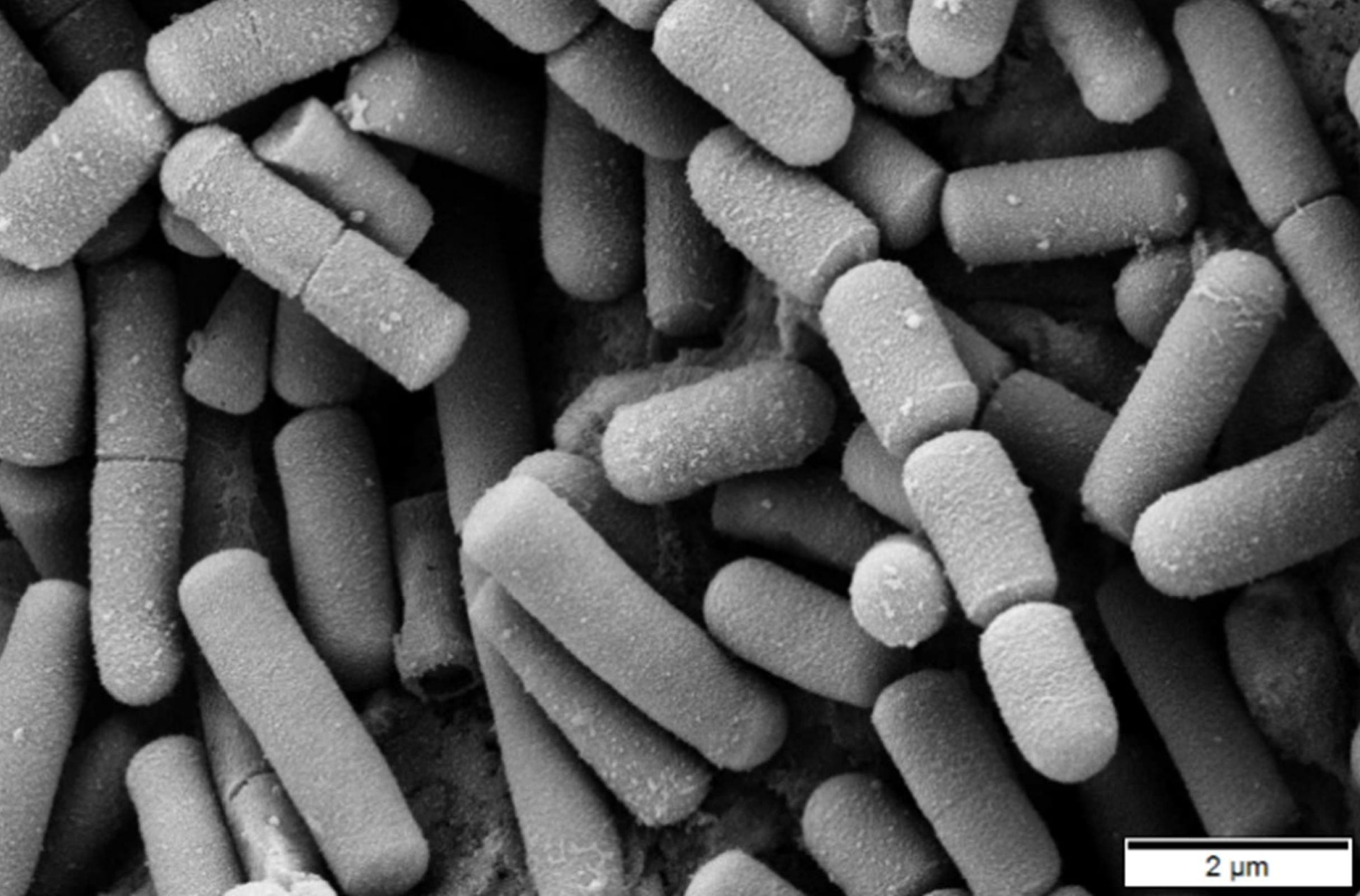
Morphology: Gram-positive, rod-shaped bacterium, motile with peritrichous flagella, spore-forming.
Reservoirs: Commonly found in soil, vegetation, and a wide range of foods.
Growth Characteristics: Facultative anaerobe, grows from about 10°C to 50°C (optimally 28°C to 37°C), able to form highly resistant spores. Tolerates salt up to 7.5%, grows aerobically or anaerobically. Can form biofilms.
Unique Traits: Two distinct toxin types (emetic and diarrhoeal), spore formation, heat and acid resistance, biofilm formation aiding persistence in food processing environments.
Impact and Burden
Geographic Prevalence: Worldwide distribution.
Implicated in Foodborne Illness: Common; B. cereus is a frequent cause of mild foodborne illness with outbreaks in all global regions.
Commonly Implicated Foods
Rice and rice products, meats, vegetables, dairy products, and spices.
Routes to illness
Contamination Sources: Soil, vegetation and dust. Frequently found in raw plant-derived foods such as rice, potatoes, peas, beans and spices. Spores survive cooking processes and contaminate cooked foods, particularly starchy foods such as rice and pasta.
Contributing Factors: Improper cooking, inadequate cooling, poor refrigeration. Cross-contamination from contaminated surfaces and utensils. Biofilm formation in processing environments.
Illness Mechanism: Emetic syndrome (vomiting) from heat-stable toxin that formed in food; diarrhoeal syndrome from enterotoxins produced by bacteria in the intestine.
Infective Dose: Diarrhoeal illness usually requires ingestion of 100,000 to 100 million cells/spores per gram; emetic illness caused by low levels of preformed toxin.
Did you know
B. cereus was behind the recent multi-country recall of contaminated infant formula. The recall affected multiple brands in approximately 60 countries. The formula was recalled due to contamination with cereulide - an emetic toxin produced by B. cereus.
Symptoms, Duration
Onset of Symptoms: Emetic syndrome 1–6 hours; diarrhoeal syndrome 6–24 hours post ingestion.
Symptoms: Emetic — nausea, vomiting; Diarrhoeal — watery diarrhoea, abdominal cramps.
Duration: Usually less than 24 hours.
Secondary/Long-term Symptoms and Outcomes: Rare.
Mortality rate: Very low; illness is generally self-limiting.
Prevention, Control
Food Industry Measures: Maintaining hygienic processing environments; rapid cooling of cooked foods to ≤5°C; keeping hot foods ≥60°C, prevention of cross-contamination between raw and cooked foods.
Sourcing Controls: Monitoring of high-risk raw materials like milk powders, cereals, and spices.
Case Study
In May 2021, a foodborne outbreak occurred in two rural middle schools in Chongqing, China, causing 198 cases of acute gastrointestinal illness (Li, et al 2021). Symptoms were dominated by vomiting (100% of cases), with frequent bellyache (83%) and dizziness (63%). The median incubation period, 2.2 hours, was consistent with emetic‑type Bacillus cereus intoxication.
A retrospective cohort study showed a very strong association with consumption of rice noodles served at breakfast on the day the symptoms appeared. B. cereus counts in leftover noodles were 10^5–10^6 CFU/g.
The noodles had been manufactured by an unlicensed rice‑noodle manufacturer in unclean premises and then stored at ambient temperatures for up to 24 hours before being served.
More information and sources
New Research/emerging issues:
Main source:
United States Food and Drug Administration (2012). Bad Bug Book, Foodborne Pathogenic Microorganisms and Natural Toxins, Second Edition. Available at: https://www.fda.gov/media/83271/download
Case study:
Li T, Zou Q, Chen C, Li Q, Luo S, Li Z, Yang C, Yang D, Huang Z, Zhang H, Tang W, Qi L. A foodborne outbreak linked to Bacillus cereus at two middle schools in a rural area of Chongqing, China, 2021. PLoS One. 2023 Oct 19;18(10):e0293114. doi: 10.1371/journal.pone.0293114. PMID: 37856478; PMCID: PMC10586640. https://pmc.ncbi.nlm.nih.gov/articles/PMC10586640/
Food Safety News and Resources
This week’s food safety news features 2 unusual recalls and a recall retraction, plus more. Click the preview below to read.
Food Safety News and Resources | April

14 April | Food Safety News and Free Resources |
❓Recall retraction: high lead levels were a false positive (USA)
⚠️Unusual recall: Amnesic Shellfish Poisoning (ASP) toxins in live mussels (Europe)
⚠️Unusual alert: Anisakis larvae in mackerel fish (Europe)
📜Food safety culture position paper published
🎓Webinar - Make a Strong Food Safety Culture: From HACCP to Continuous Improvement (on demand)
The rise and fall of the Ant Powder God
This is the story of a notorious supplement fraud that occurred in China in the mid-2000s.
Yilishen (Ant Strength) was a Chinese health-supplement brand that marketed a miracle remedy for ailments like low energy and kidney weakness. The supplement was sold in capsules containing a powder that was (supposed to be) made from crushed black mountain ants.
Marketing of the product was supported by a high-profile celebrity endorsement.
The supplements became so famous and their advertising so recognisable that their maker became known colloquially as the Ant Powder God.
Wang Fengyou, the founder of Yilishen, perpetrated the fraud by selling capsules that contained cheap, mostly starch-based material – costing about 0.2 yuan per capsule – instead of the famed ants.
But Wang Fengyou did not just rip off innocent consumers. He also offered investors an opportunity to breed ants for a 32.5% profit, convincing people to become ant farmers and join a “breeding-and-buyback” scheme that would, he said, guarantee safe, high returns.
The scheme was a Ponzi-style scam, in which Fengyou used money invested by new farmers to pay earlier participants. Roughly 1.2 million farmers across multiple provinces were drawn in, many losing their life savings when the scheme collapsed and the funds proved unrecoverable.
The Ant Powder God Wang Fengyou remains in prison.
Source: This article was based on a translation of Qīngyǎn Cái Jīng (青眼财经) (2026) Devastated 1.2 million farmers, swindled 20 billion: Yilishen’s founder is still in prison!’], NetEase Hao (Qīngyǎn Cái Jīng column), with further information from here: https://www.ecoi.net/en/file/local/1162233/2107_1311774017_chn34597.pdf
Below for paying subscribers: Food fraud news, research and incident reports
📌 Food Fraud News 📌
In this week’s food fraud news:
📌 Method for honey
📌 Canadian maple syrup under the spotlight
📌 Unauthorised antibiotics in eggs
📌 Stolen chocolate warning and more