

This is The Rotten Apple, an inside view on food fraud and food safety for professionals, policy-makers and purveyors. Subscribe for insights, latest news and emerging trends straight to your inbox each Monday.
Case study of a pasta disaster
Follow-up: Poka yoke in food manufacturing
Food Safety News and Resources
Mushroom cultivation (+ building a robust calibration system)
Food fraud news and horizon scanning
Hello and Happy Thanksgiving to my 🍁Canadian readers (+ big shoutout to new paying subscribers 👏👏Maria B from Canada and Emma from the UK👏👏).
This week I return to the Listeria in pasta ready-meals saga… more people have died and more products are being recalled…. to discover what we can learn from this outbreak. And share examples of poka yoke-inspired mistake-proofing systems in food manufacturing - a quick win for your continuous improvement program, perhaps?
This week’s food safety news has some interesting events and alerts: a recall of powdered infant formula that’s been linked to infant botulism, an outbreak from a powdered herbal supplement, news of the large (and growing) enterohemorrhagic Escherichia coli outbreak in Germany and radioactive mushrooms discovered in Europe - these were way more radioactive than the shrimp from Indonesia.
And of course, there’s food fraud news for paying subscribers, as always.
Karen
P.S. Know someone who’d love this publication? Please tell them about it, and help grow our global food safety community (4.9K and growing strong!)
Pasta disaster: Case study of a food safety train wreck
In June 2025, I reported on a deadly Listeria outbreak and recall in the USA linked to heat-and-eat pasta meals.
At first glance, it looked like an ordinary food safety incident, with a pathogen found and products recalled. However, a deeper review showed this was not a new outbreak. By the time the recall started, illnesses had been ongoing for almost a year.
But it seemed like there would be a simple solution: by June, the food source of the illnesses had been found, any remaining offending products were recalled, and (we thought), the outbreak would be over.
Sadly, that was not to be.
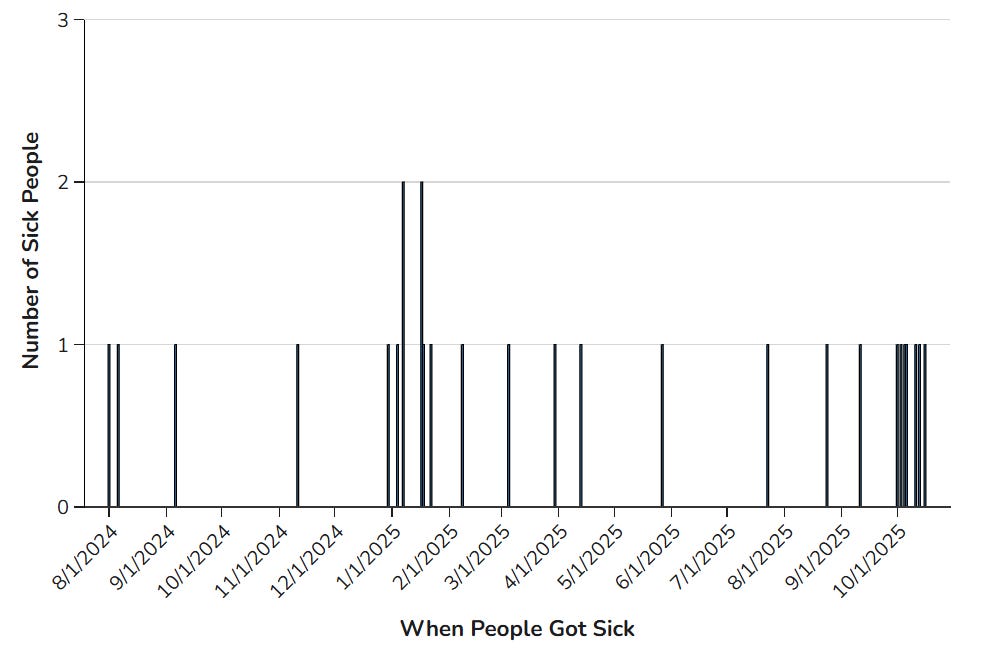
In June, although two foods had been linked to the illnesses - Fettuccine Alfredo from two brands sold by Kroger and Walmart - the source of the Listeria in the product had not been determined. Somehow, though, it seems the manufacturer, FreshRealm, recommenced (or continued?) production of the pasta dishes, despite the root cause being unknown.
Worse still, there was a 3-month lag between authorities finding the outbreak strain in a sample of FreshRealm-produced fettuccine alfredo and the recall being initiated. After the recall began, the CDC said (18 June) it “continues to see ill people reporting this specific food and is concerned that contamination is still occurring”. Wow.
Three months later, in September, more products were recalled. At the same time, the Food Safety Inspection Service (FSIS) revealed that pre-cooked pasta used to make the pasta meals had tested positive for Listeria monocytogenes that closely matched the outbreak strain.
Finally, the source of the Listeria was known.
Unfortunately, the illnesses did not stop.
The current situation
More people have died since the recalls began, with 7 new illnesses and 2 deaths since September. And recalls have continued. The most recent was announced on 9 October.
Some of the new illnesses and deaths are no doubt due to the long duration of listeriosis in vulnerable people, and its long incubation time. But it seems likely that many illnesses could have been prevented if investigations and actions had proceeded more quickly after the outbreak strain was found in FreshRealm-produced fettuccine meal(s) in March, eight months ago.
Currently, further recalls are ongoing. The pasta supplier began, in September, to recall “certain lots” of pre-cooked pasta. The recall list shows their pre-cooked pasta was used in linguini bowls, pasta salads and store-made deli salads.
“Certain lots”: why recall only certain lots? Why not recall all lots?
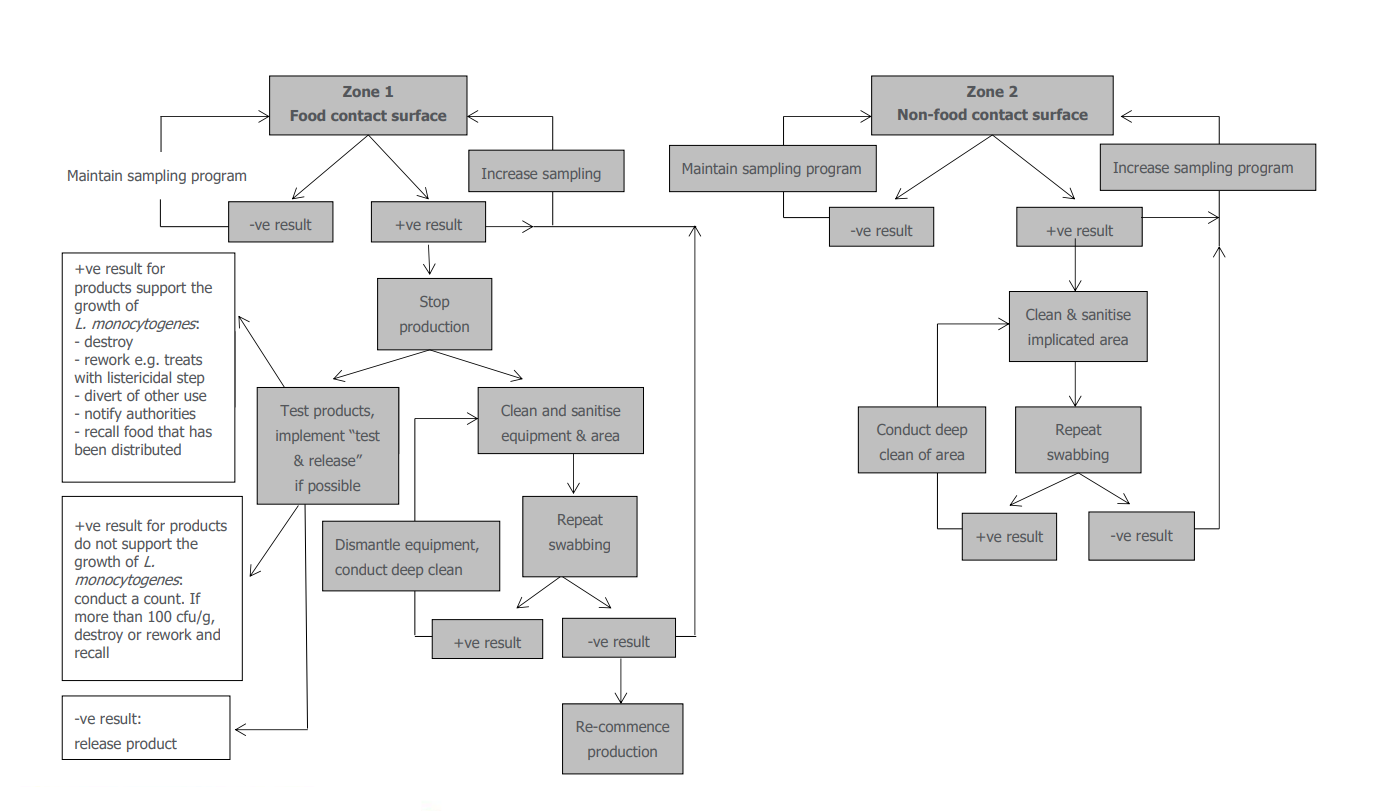
Side bar: How does Listeria monocytogenes become a problem in pre-cooked pasta?
Cooking destroys L. monocytogenes (total heat inactivation in 12 seconds at 65°C). It does not form spores.
Listeria ends up in cooked food because of post-cooking contamination – or, for the food safety nerds, post-lethality-contamination.
Reminder: “Post-lethality contamination” refers to the introduction (or reintroduction) of a microorganism into food after a lethality step (‘kill step’) such as cooking.
Post-lethality contamination of food occurs through the following mechanisms:
Contact with contaminated surfaces or equipment, such as slicers, conveyors, or packaging machinery.
Contact with moisture droplets or aerosols, such as through high-pressure water washing or dripping condensate.
Biofilms establishing on equipment or facility surfaces, enabling persistent contamination that resists simple cleaning.
Handling by personnel who transfer Listeria from contaminated surfaces or raw ingredients to post-lethality-step products through gloves, hands, or clothing.
Use of utensils or cleaning equipment that are not properly sanitised between use or segregated for raw and cooked foods.
Contributing Factors
Moisture accumulation in post-cooking zones of facilities, which fosters biofilm formation.
Poorly maintained facility infrastructure, such as cracked or chipped floors and walls, and rusty fixtures, which can harbour Listeria.
Rework, repackaging, or slicing of product after an initial lethality step, which increases touch points and potential cross-contamination opportunities.
Inadequate separation between raw and cooked product workflows.
Post-lethality contamination occurs when food safety systems have failed. When such contamination occurs for months at a time, it’s usually due to systemic failures. And it’s often unclear exactly how such contamination has occurred, or whether any new preventive actions have been completely successful.
Which means that if one lot of pasta is affected, then all lots of pasta from the same facility could potentially be contaminated too. Why not recall them all? Why allow a potentially contaminated lot of cooked pasta to be used in a pasta salad?
(TBH, when I first started working in food safety, I never thought I would have to ask a question like this!)
A note about testing
Six months elapsed between the first public notification that the outbreak strain of L. monocytogenes had been found in heat-and-eat pasta meals and the latest round of recalls for cooked pasta.
Why did it take them so long to figure out that the pre-cooked pasta was the source of the contamination?
It’s probably a testing thing. Finding a pathogen in a food is notoriously difficult.
In 2023, researchers estimated that to find Salmonella enteritidis in one egg, you would need to test almost 60,000 eggs, based on the (US) estimated prevalence of 1 incidence per 20,000 eggs. Similarly, they calculated that 909 bags of salad would need to be tested to find L. monocytogenes if 1% of bags contained the pathogen. That’s a lot of testing!
Environmental testing at the pasta ingredient supplier may have yielded better data than simply testing the pasta ingredient.
Corrective actions (or not)
What’s worrying here is not that it took the investigators ages to confirm the pre-cooked pasta contained the outbreak strain, but that the ready-meal manufacturer appears to have continued to use the pre-cooked pasta while the source of the contamination was apparently unknown.
And what, exactly, was going on at the pre-cooked pasta company, whose personnel presumably knew that ready meals containing their products had killed people? Did they increase environmental monitoring and sanitation activities, or was it business as usual for them?
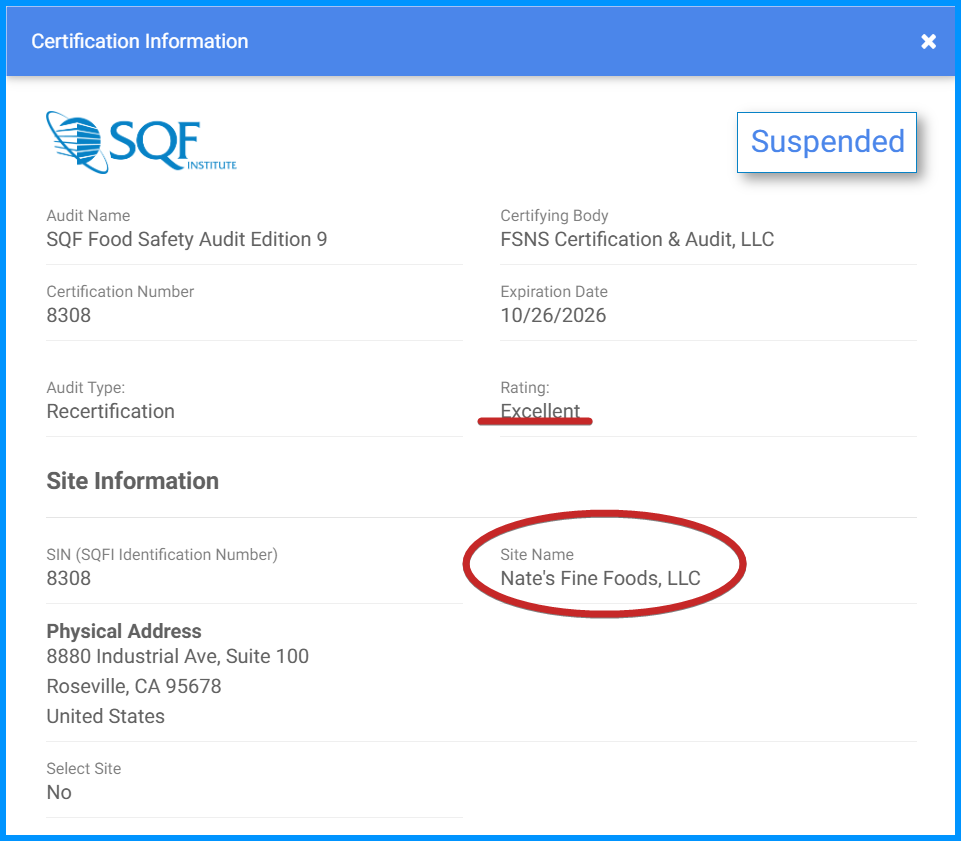
The company, Nate’s Fine Foods, Inc., proudly proclaims to provide “precooked and fully cooked, ready-to-eat IQF and MAP pasta, grains, vegetables and legumes to the wholesale food service, industrial and restaurant industry”. It had Level 2 SQF certification (Edition 9), rated ‘Excellent’ in its most recent audit, but its certification status is currently showing as ‘Suspended’ in the SQF Directory.
Takeaways for food professionals
If you make ready-to-eat food and you don’t conduct a lethality step in-house, you’re relying on your suppliers to provide ingredients that are safe. FreshRealm and other manufacturers relied on their pasta supplier – a supplier who, over a period of perhaps 6 months, shipped pre-cooked pasta contaminated with a lethal pathogen, with terrible consequences.
Investigating contamination sources is difficult, and pathogen testing of foods and ingredients should not be relied on due to the large number of samples required to detect pathogens when they are present at low levels.
The key takeaway is that if a pathogen is not detected in an ingredient, that doesn’t mean the ingredient should be given the ‘all clear’ while the source of contamination remains unknown.
Food safety audits at the supplier’s facility should have revealed sanitation issues or environmental monitoring program failures, which should have raised red flags about the company’s ability to produce safe cooked pasta. It had a level 2 SQF food safety and quality certification (currently suspended).
Sadly, the certification failed to verify the safety of its products for its customers.
In short: More illnesses and deaths have been recorded in the Listeria pasta outbreak in the USA 🍏 The first illnesses were recorded in August 2024 🍏 Recalls began in June 2025 with two ready-to-heat pasta meals 🍏 The implicated ingredient/process was unknown in June 2025 but was found to be pre-cooked pasta in September 2025 🍏 Recalls of salads and other meals containing the pre-cooked pasta were initiated in September and October 2025 🍏 Post-lethality contamination of the cooked pasta in the pasta supplier’s facility is the likely cause, with the contamination likely occurring from prior to August 2024 (more than one year) 🍏 The supplier of the cooked pasta had a level 2 SQF certification to SQF Food Safety Edition 9, rated “Excellent” (now suspended) 🍏
Main source:
United States Food and Drug Administration (2025) Outbreak Investigation of Listeria monocytogenes: Prepared Pasta Meals. Available online: https://www.fda.gov/food/outbreaks-foodborne-illness/outbreak-investigation-listeria-monocytogenes-prepared-pasta-meals-june-2025
Follow-up: Poka Yoke in Food Manufacturing
In Issue 139, we explored the concept of poka yoke, a Japanese method of mistake-proofing that uses devices or processes designed to prevent errors or make them immediately obvious.
In the food industry, mistake-proofing techniques based on poka yoke are used as aids to human safety, food safety, quality and production efficiencies by reducing opportunities for mistakes at specific steps or processes or allowing for mistakes to be quickly spotted if they occur.
Here are a few examples I’ve seen:
Alignment pins on machine parts that prevent errors in reassembly.
Vision system checks to verify expiry dates are correct.
Timers that remind operators to collect scheduled quality assurance samples.
Electronic or physical checklists that must be acknowledged before switching packaging formats.
Entry locks for hygiene-sensitive areas that require handwashing compliance.
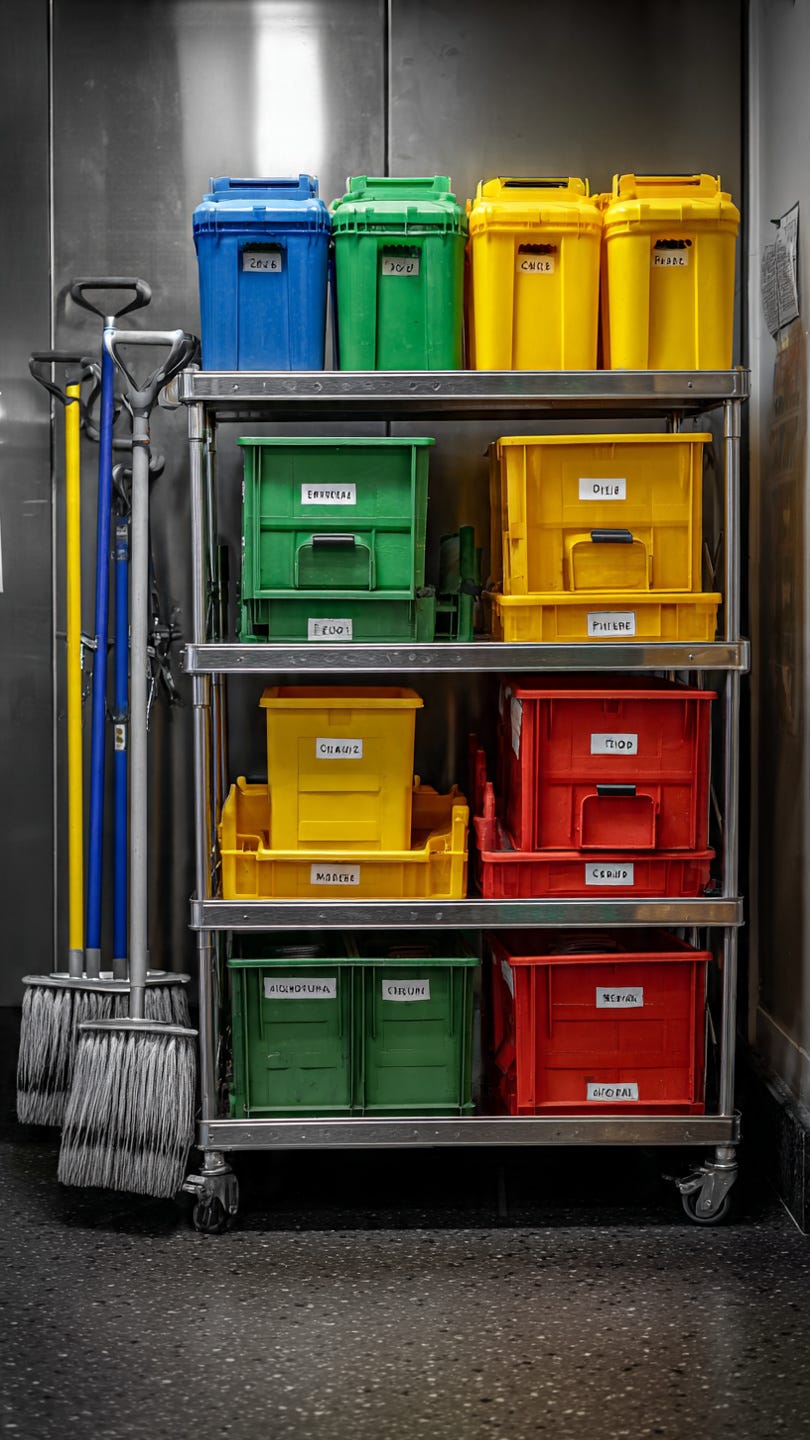
Colour-coded cleaning equipment and utensils.
Barcode scanning for ingredients to reduce recipe errors.
Tool shadow boards or storage systems shaped to match each tool, making it easier to spot misplaced items.
Machinery that requires two hands to activate, minimising the risk of accidents.
Non-interchangeable couplings, designed only to fit the correct line.
Automatic oven or freezer door auto-shutoffs.
Sensor locks on sieves, filters and magnets that stop production if devices are missing.
Takeaways for food professionals
Meet your facility’s continuous improvement requirements by implementing a mistake-proofing technique based on poka yoke and watch errors reduce and efficiencies increase.
Learn more:
Lean Factories. (2019). 60 Common Examples of Poka Yoke. Available at: https://leanfactories.com/poka-yoke-examples-error-proofing-in-manufacturing-daily-life/.
🍏 Mistake Proofing in Food Manufacturing | The Rotten Apple | Issue 139 🍏
Food Safety News and Resources
Our food safety news and resources roundups are expertly curated for only the most unusual and interesting recalls and food safety resources.
This week: infant formula recalled over botulism concerns, sentencing for the ‘body fluids’ restaurant worker, and radioactive mushrooms found in Europe (hint, they are way more radioactive than the Indonesian shrimp I’ve been writing about), plus a nineteenth brand of cinnamon has been added to the FDA’s safety alert list for containing elevated levels of lead. And more.
Click the preview box below to access it.

What I’m Reading
How To Build a Calibration Program
This post, in Food Safety Magazine, explains the ‘why’ as well as the ‘what’ of building a robust calibration program.
Mushroom Cultivation – a Primer
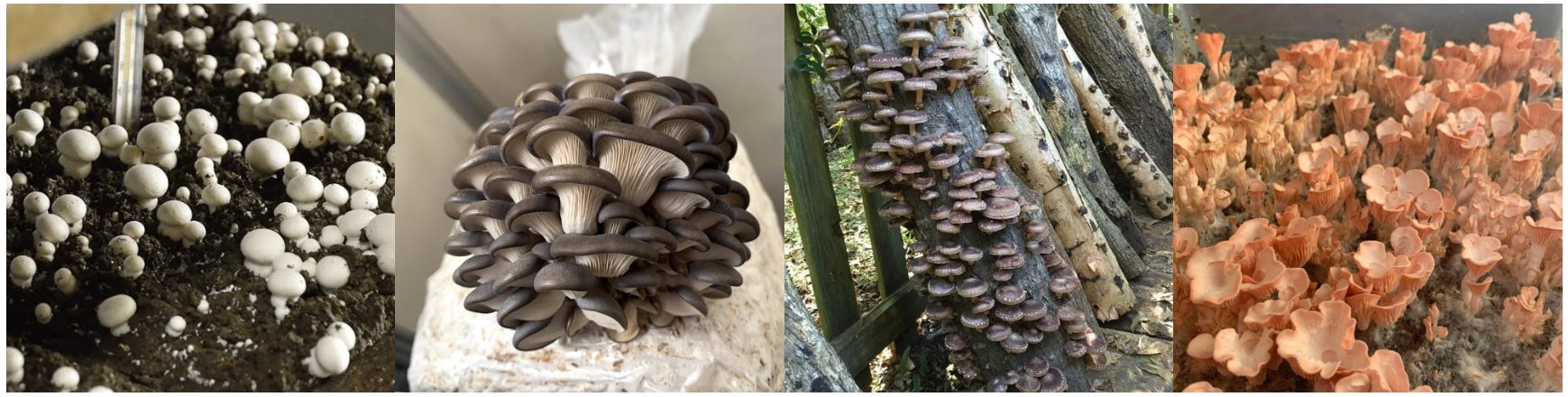
This gorgeously illustrated post explains the eight primary techniques for commercial mushroom operations with fabulous images.
Below for paying subscribers: Food fraud news and incident reports
📌 Food Fraud News 📌
In this week’s food fraud news
📌 Suspicious protein bars
📌 Cinnamon warning (again!)
📌 Substitution in supplements
📌 Fish species substitution